
 2 hours ago
3
2 hours ago
3
The crypto industry has spent years asking Washington for clear rules. It may be getting closer to an answer. JPMorgan analysts are now predicting that the Clarity Act — a sweeping bill designed to set formal ground rules for how digital assets are regulated in the US — will be signed into law by the middle of this year.
If this timeline holds, it could prove to be one of the biggest changes in crypto policy within the US.
What The Clarity Act Actually Does
At its heart, this is a bill about structure. The reality is that currently, there is a lack of a unified structure or framework regarding how crypto is classified or traded within the US.
Different bodies have taken different stances on the issue, leaving businesses to wonder what is or isn’t allowed.
The Clarity Act aims to fix that by establishing a clear set of rules that applies across the board — covering everything from how tokens are categorized to which regulatory bodies have authority over them.
A JPMorgan Chase report says the U.S. CLARITY Act could pass by mid-year and serve as a second-half catalyst, bringing regulatory clarity, ending “regulation by enforcement,” boosting tokenization, and supporting institutional adoption. Key debates involve stablecoin yield…
— Wu Blockchain (@WuBlockchain) March 2, 2026
According to JPMorgan’s team of analysts, led by managing director Nikolaos Panigirtzoglou, the bill’s approval could act as a meaningful turning point for the broader crypto market.
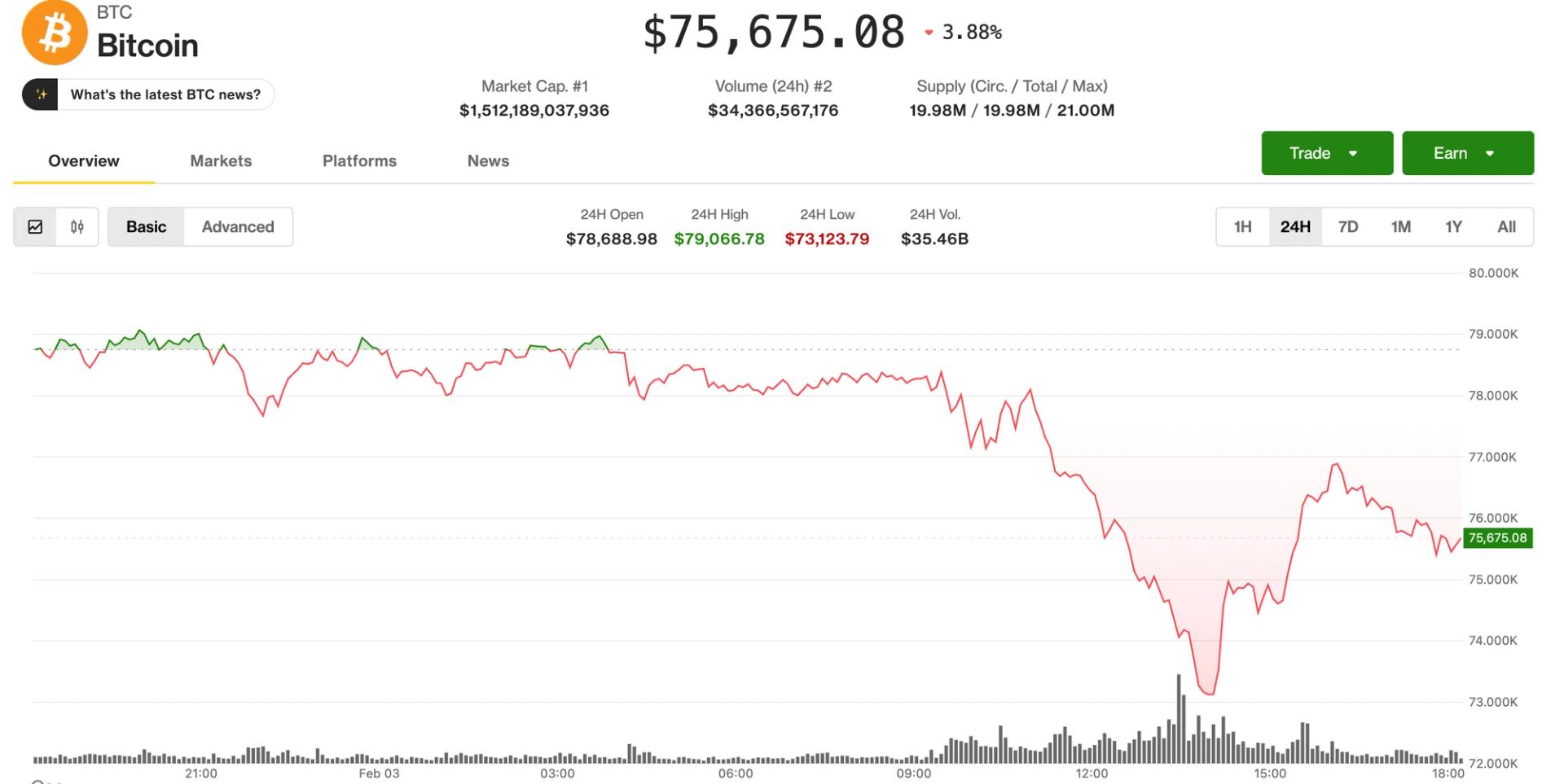
Reports say the bank believes the legislation may help push prices upward in the second half of 2026, even as sentiment across crypto markets remains negative right now.
The bank’s view is that regulatory certainty, once delivered, tends to attract institutional money that has been sitting on the sidelines.
But the bill is not there yet. Two unresolved disputes have kept it from moving forward. The first involves stablecoins — digital currencies pegged to traditional assets like the US dollar. Crypto firms want stablecoin holders to be able to earn rewards on their holdings, similar to interest.
Banks are pushing back hard, arguing that offering those returns would pull customer deposits away from conventional financial institutions and undermine the broader banking system.
A Political Fight Is Slowing Things Down
The second obstacle is a bit more political in nature, as democratic lawmakers have been advocating for a clause to be included in the bill, which would prohibit senior government officials, including US President, Donald Trump, and his family, from owning any financial interest in crypto projects.
The provision is widely seen as a direct reference to Trump, whose family has been linked to various crypto ventures. The White House has reportedly hosted several meetings to work through these disagreements, but no resolution has been reached.
A March 1 deadline that had been floated as a possible target for progress came and went without any meaningful announcement.
Reports note that industry observers had already signaled weeks in advance that the deadline was unlikely to produce results, and that turned out to be accurate.
Negotiations are ongoing, though the pace has frustrated those who were hoping for a faster resolution.
Featured image from Vecteezy, chart from TradingView












 English (US) ·