
 1 hour ago
1
1 hour ago
1
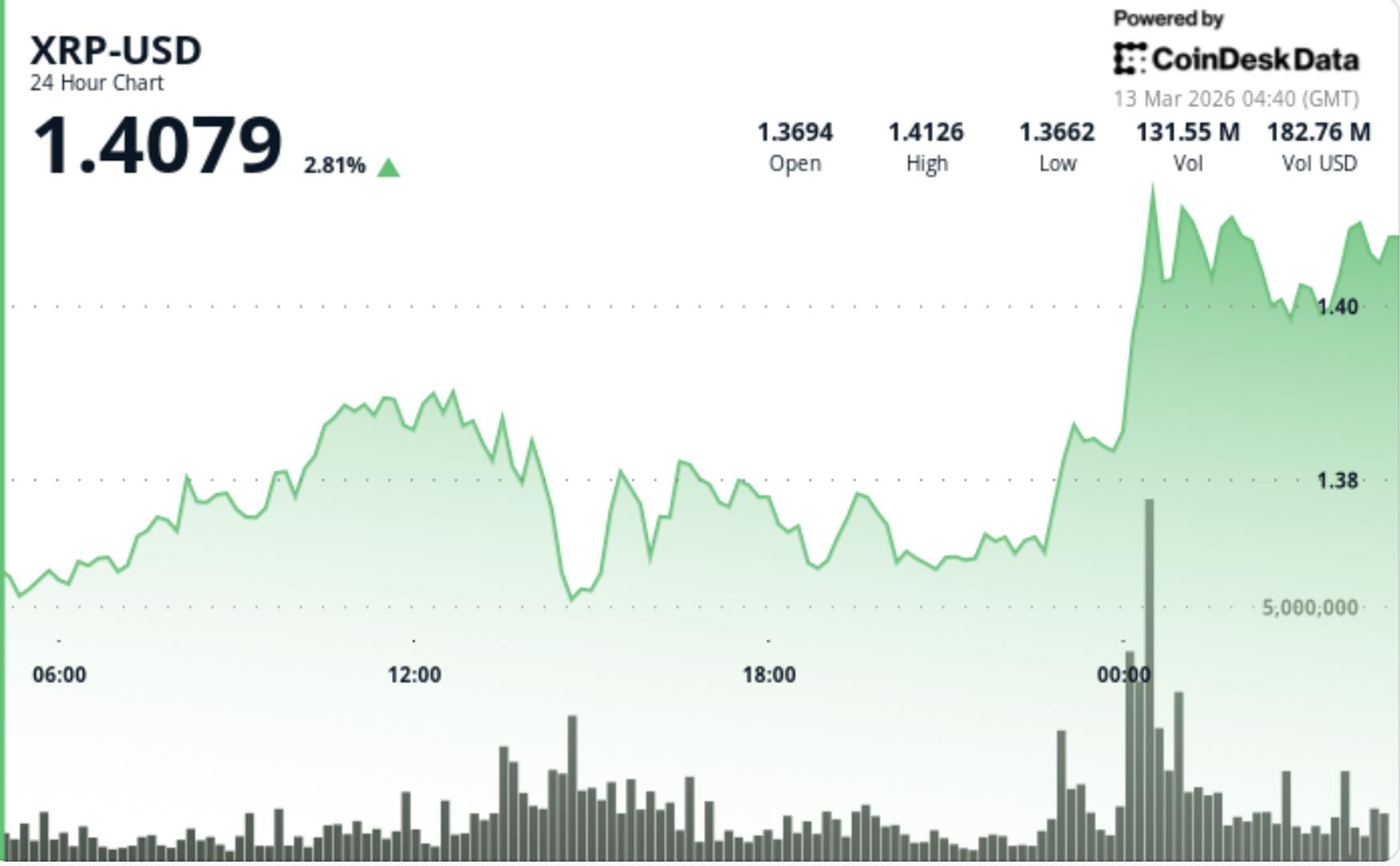
The SEC lawsuit against Ripple that was compressing XRP sentiment for many years has finally concluded a few months back. Exchanges that had previously delisted the cryptocurrency are now back offering it. And yet, the token has spent the first few months of this year trading sideways, while the broader crypto market was moving around it. This, naturally, started the uncomfortable questions about what it is that drives XRP’s value now that the legal overhang is completely gone.
The XRP Ledger continues generating genuine network value through payment throughput, real-world asset tokenization, and stablecoin rails. The token itself, however, captures only a tiny fraction of that. The gap is becoming structural rather than temporary. XRP is no longer competing agaisnt other cryptocurrencies, but also against prominent stablecoin networks, SWIFT upgrades, CBDC initiatives (however scarce), and the bank consortia – all of which are targeting the same cross-border payment use case that it was built around. For holders who are watching that dynamic and weighing their options, a growing number are starting to look at Bitcoin Everlight.

The Problem With Holding XRP in 2026
XRP was originally designed and developed as a payment efficiency tool. It does that job particularly well. However, what it was not intended to do is generate returns for the people who hold it. The fees that are generated on the XRP Ledger are burned – not distributed, and while fee burn creates mild deflationary pressure, it moves the valuation in a macro-relevant way.
As some governments push forward with plans to develop their own CBDC and instant settlement infrastructure, the demand for a bridge currency that sits between two fiat rails weakens – and even with the firm’s roadmap. XRPL’s growing importance may come at the expense of XRP, as stablecoins and permissioned rails absorb a greater share of settlement activity.
In essence, whatever an XRP holder earns depends entirely on price appreciation, an environment where, let’s face it, that appreciation is far from guaranteed. Bitcoin Everlight, on the other hand, operates on entirely different structural logic.
A Validation Network That Distributes Bitcoin
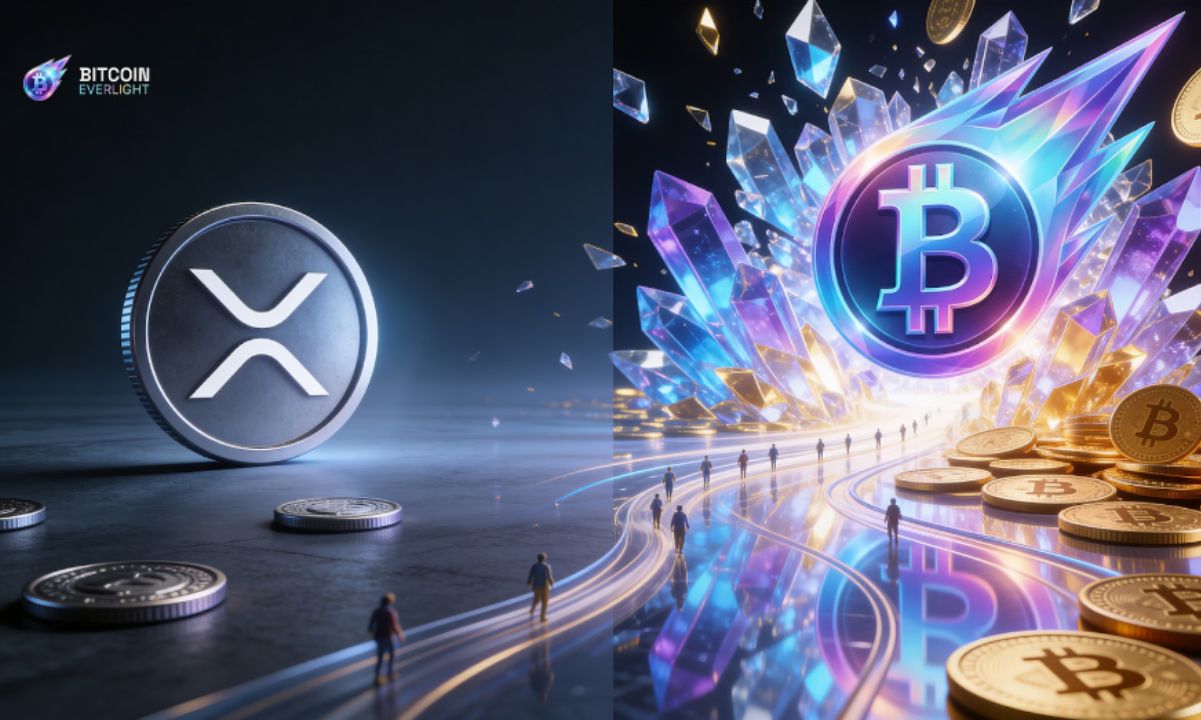
Bitcoin Everlight is a decentralized validation network in which each participant helps secure the blockchain infrastructure and earns Bitcoin rewards in return. The platform runs on a Transaction Validation Node framework responsible for validation, routing, and reward distribution across the network.
Furthermore, Everlight Shards – a participation layer which is designed to connect a user’s token position to the network’s fee revenue without them having to prove any technical involvement – was introduced in the protocol’s V2 update. The infrastructure itself runs in the background while shard holders are able to draw from the reward pool it generates and is denominated in BTC.
The simple comparison is this: where XRP holders predominantly wait on price action driven by factors mostly out of their control, Bitcoin Everlight shard holders participate in a network designed to distribute transaction routing fees back to them directly, paid in Bitcoin.
Before the presale opened, the project completed dual smart contract audits through Spywolf and Solidproof, alongside dual KYC verifications through Spywolf and Vital Block — independent verification of both the smart contract and the team’s identity before a single token was sold.

From Token Holding to Active Shard
To enter the network, the user would first have to acquire BTCL tokens during the current presale phase. The starting entry point is $50. Once the user’s cumulative commitment goes past a certain tier threshold, the shard would activate automatically based on the value at the time of the purchase. The rewards will start being distributed from that moment and continue throughout the entire presale period, paid in BTCL at a fixed APY that’s tied to the active tier.
When the mainnet launches, fixed presale incentives will give way to performance-based BTC distribution that’s drawn from real transaction routing fee activity. The reward pool will scale with network usage, meaning that the more transaction volume flows through the infrastructure, the greater the potential distribution for active shard holders is going to be.
The Three Shard Tiers
To put matters in perspective, the Azure Shard activates at a commitment of $500, and it can earn up to 12% APY in BTCL while the presale period lasts. It would then transition to BTC rewards once the mainnet is live. The Violet Shard is at $1,5000 and carries up to 20% APY, while the Radiant Shard is at $3,000 with 28% APY. Participants who hold tokens below any threshold will maintain a dormant shard position, which will upgrade automatically once the balance reaches the next tier. During the presale, tokens remain locked, and all commitments are final.
After mainnet, tiers are sustained through ongoing USD-equivalent BTCL balance rather than permanently locked in by a single presale purchase. If holdings grow past a threshold the shard upgrades; if a balance falls below one it adjusts to the appropriate level.

Entering During Phase 1
At the time of this writing, Bitcoin Everlight remains in the first phase of its presale, and it will run for six days with 472,500,000 tokens available at a price of $0.0008 per token. This is the earliest available entry point into a platform where the Bitcoin flows back to the participants from real network activity.
Everything about how the shard activation process works and what the BTC reward distribution looks like after mainnet can be explored here.
Disclaimer: The above article is sponsored content; it’s written by a third party. CryptoPotato doesn’t endorse or assume responsibility for the content, advertising, products, quality, accuracy, or other materials on this page. Nothing in it should be construed as financial advice. Readers are strongly advised to verify the information independently and carefully before engaging with any company or project mentioned and to do their own research. Investing in cryptocurrencies carries a risk of capital loss, and readers are also advised to consult a professional before making any decisions that may or may not be based on the above-sponsored content.
Readers are also advised to read CryptoPotato’s full disclaimer.
The post XRP Could Struggle in 2026 — Why Some Holders Are Quietly Switching to Bitcoin Everlight Shards appeared first on CryptoPotato.









 English (US) ·